
Wheelchair, seating & mobility guides for patients, caregivers and clinicians
Plain-language guides to complex rehab evaluations, seating and positioning, power wheelchairs, funding paperwork and equipment care, from the BlueBay Mobility team in Tustin, CA.
Quick guides
Pick a topic to jump to the guide.
 CRT evaluation
Preparing for a CRT evaluation
What to bring, who should attend and what happens on the day.
Read guide →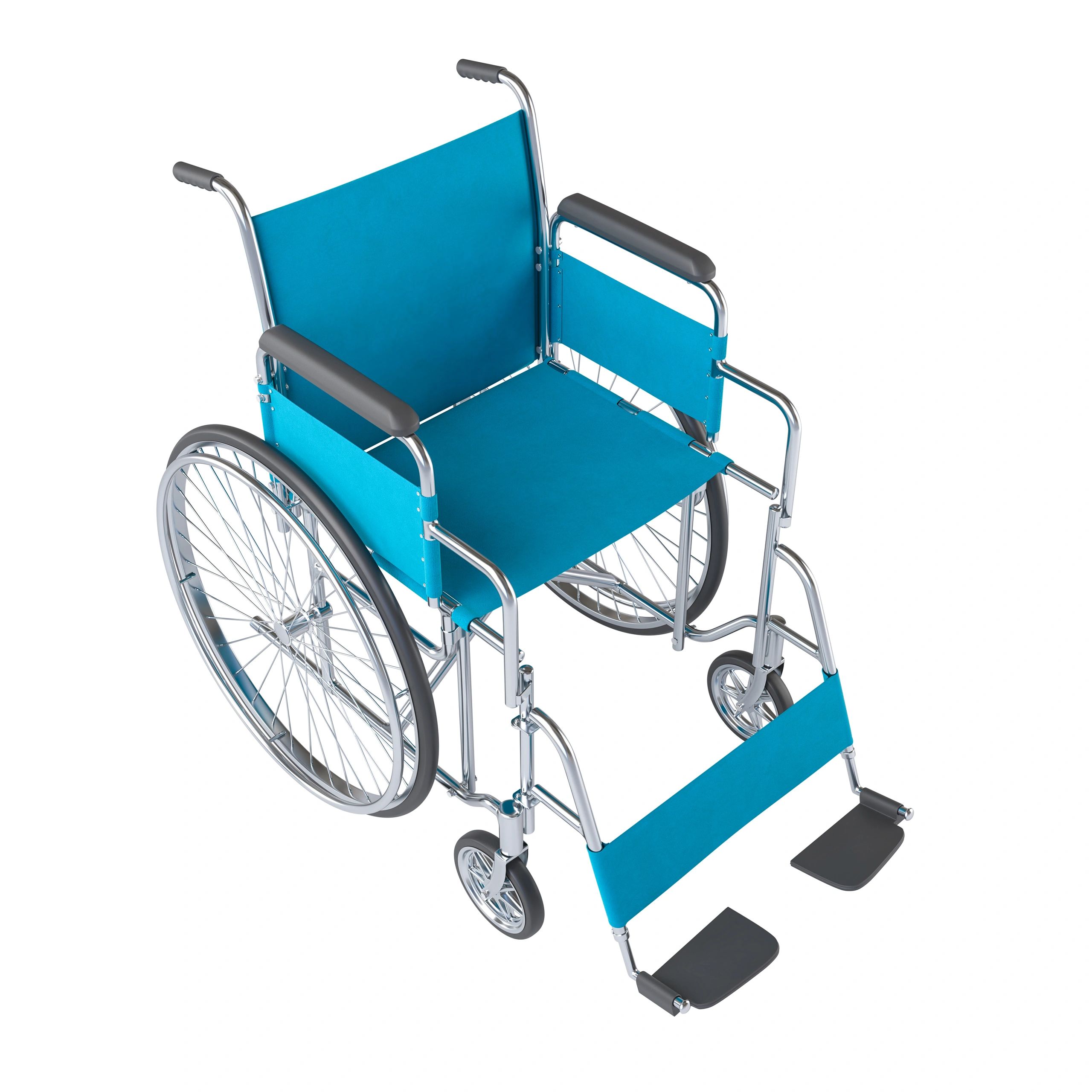 Seating
 & positioning basics
Pressure care, posture support and choosing a cushion.
Read guide → Power mobility
Choosing a power wheelchair
Drive types, seat functions and home access.
Read guide →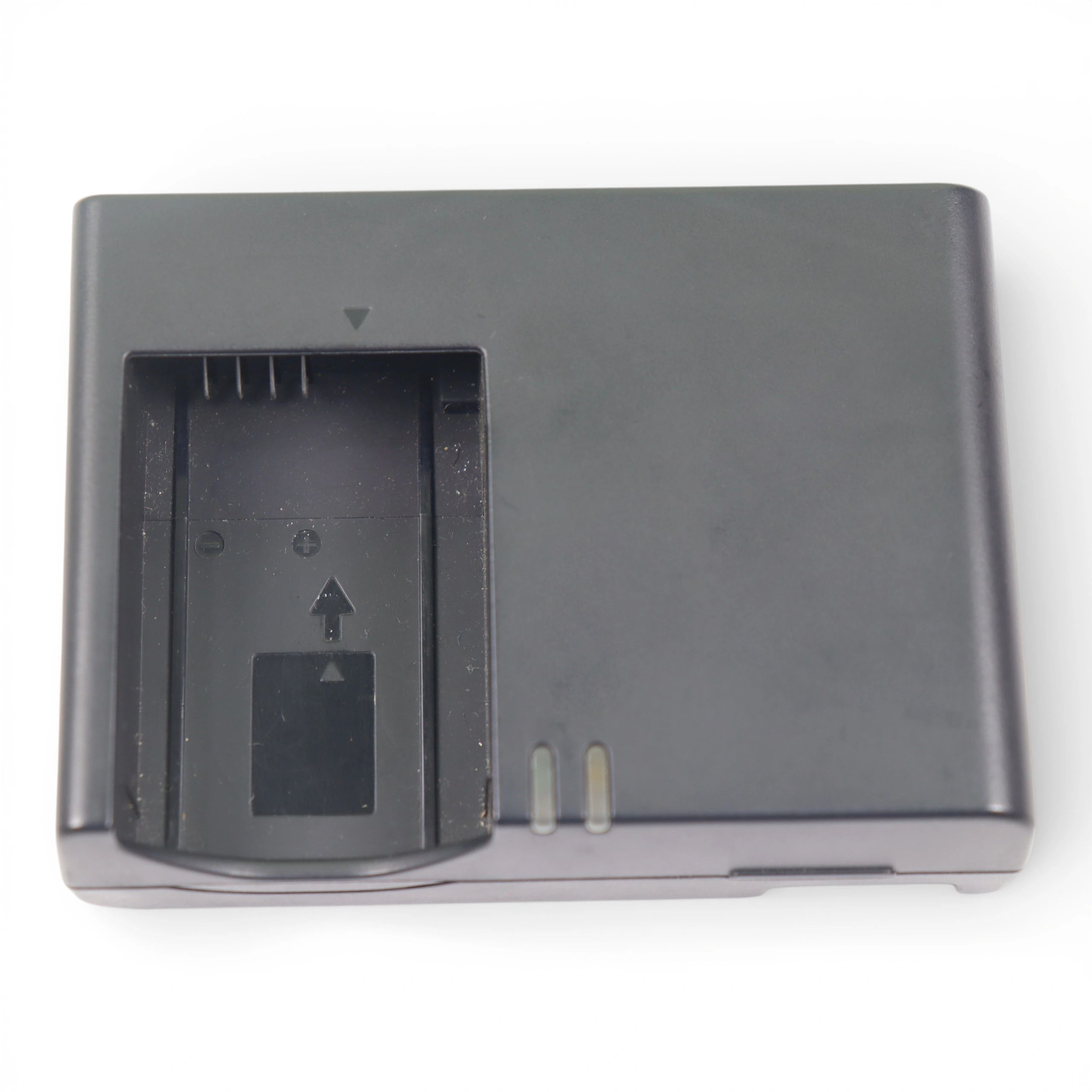 Funding
 & paperwork
Prescriptions, medical necessity letters and prior authorization.
Read guide →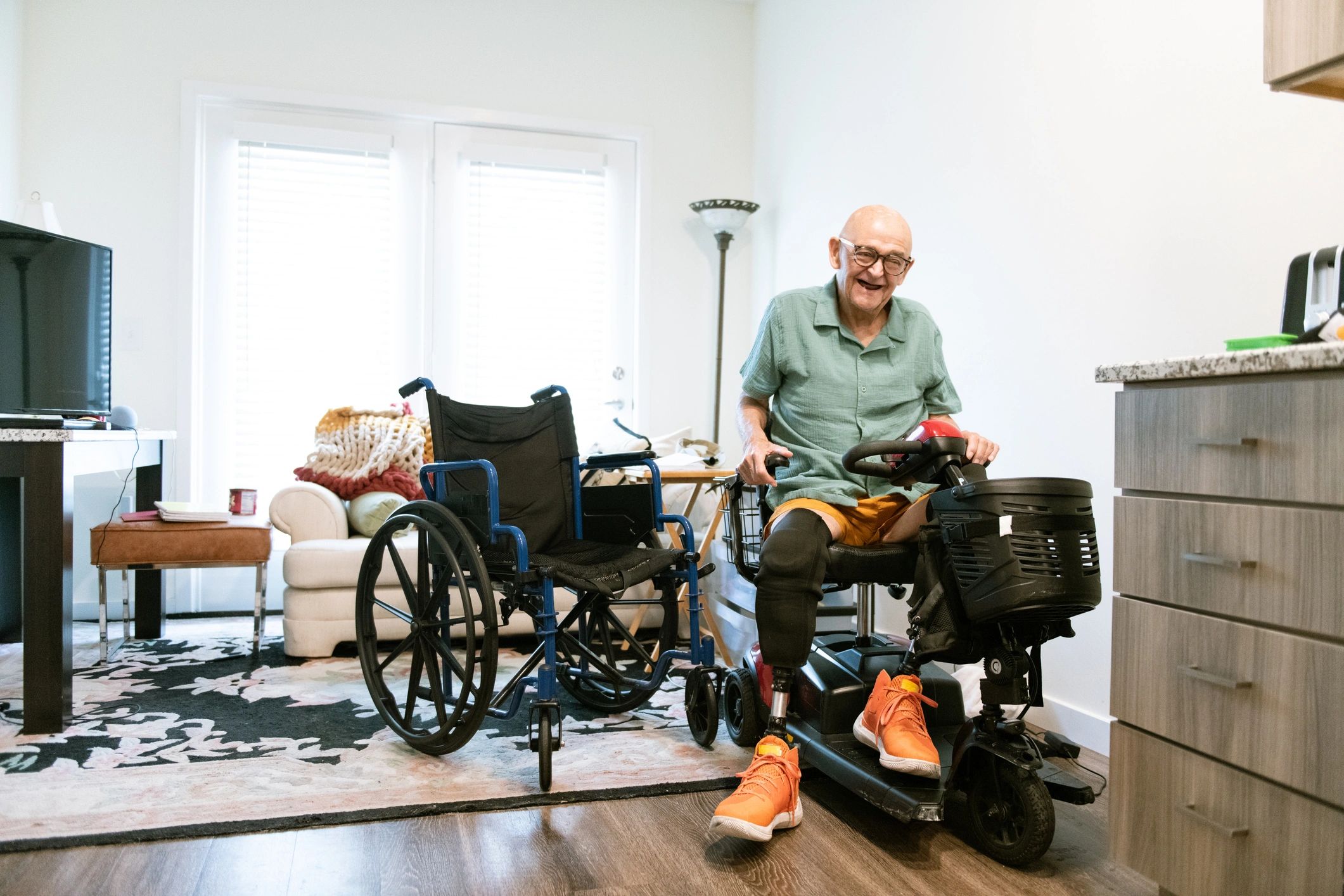 Maintenance
Wheelchair & scooter care
A simple checklist that prevents most breakdowns.
Read guide →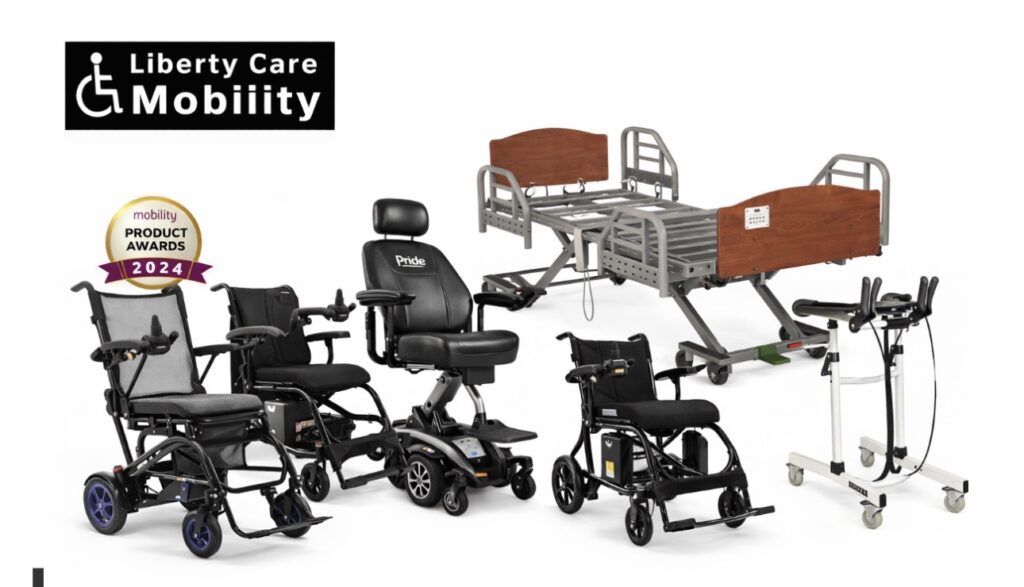 Buy or rent
?
When renting makes sense, and what to check before ordering online.
Read guide →Preparing for a complex rehab (CRT) evaluation
A CRT evaluation matches a wheelchair and seating system to your body, diagnosis and daily life. A little preparation makes it faster and helps the paperwork go through the first time.
- Bring your current equipment, even if it no longer fits.
- Invite your OT or PT, and a caregiver if they help with transfers.
- List daily routes: doorways, ramps, bathroom, vehicle.
- Note problems: pain, pressure areas, sliding, fatigue.
- Have your insurance card and physician details ready.
- Think about goals: work, school, community, independence.
Seating & positioning basics
The cushion and back do as much as the frame. Good seating spreads pressure, supports posture and reduces fatigue, which matters most for people who sit for long periods.
- Pressure care: air, gel and foam cushions each manage pressure differently.
- Pelvis first: a level, stable pelvis supports the whole spine.
- Back support: contoured backs help trunk control and comfort.
- Seat depth & width: too big or small causes sliding and sores.
- Reassess after weight change, surgery or new symptoms.
- Check skin daily and report redness that doesn’t fade.
Choosing a power wheelchair
The right power chair depends on where you drive, how you sit and what you need to reach. These are the main decisions your specialist will walk through.
- Mid-wheel drive: tightest turning, best indoors.
- Front-wheel drive: strong on curbs and uneven ground.
- Rear-wheel drive: stable at speed on longer trips.
- Seat functions: tilt, recline, elevate or stand.
- Controls: joystick, head array, sip-and-puff and more.
- Transport: vehicle, ramps and home entry width.
Funding & paperwork overview
Insurance-funded mobility equipment usually needs clinical documentation showing why it is medically necessary. Requirements vary by plan and state, so we confirm what yours needs before ordering.
- Physician prescription and recent visit notes.
- Therapy evaluation from an OT or PT for custom equipment.
- Letter of Medical Necessity describing needs and goals.
- Prior authorization from the plan before ordering.
- Home assessment notes where required.
- Private pay options for items not covered.
Wheelchair & scooter care checklist
Most breakdowns start small. A few minutes of checks each week keeps manual chairs, power chairs and scooters safe and reliable.
- Weekly: tire pressure, brakes and loose bolts.
- Weekly: wipe down frame, cushion cover and joystick.
- Batteries: charge daily; don’t run them flat.
- Listen for new noises, clicks or pulling to one side.
- Yearly: professional service and safety check.
- Stop and call if brakes, steering or controls change.
Buy or rent? Ordering equipment online
For short-term needs like recovery after surgery, renting is often simpler and cheaper. For long-term use, buying usually costs less over time.
- Rent for weeks to a few months: beds, lifts, scooters.
- Buy for daily, long-term use or a custom fit.
- Measure doorways, user height and weight before ordering.
- Check weight capacity and seat sizes on every product.
- Plan delivery, assembly and where the item will go.
- Keep receipts and serial numbers for warranty.
Frequently asked questions
What is complex rehab technology (CRT)?
CRT is individually configured mobility and seating equipment, such as custom manual and power wheelchairs, for people with significant physical needs. It involves a clinical evaluation, detailed measurements and equipment set up to support function, posture and skin health.
Do I need an OT or PT for a custom wheelchair?
For most custom wheelchairs and power chairs, an OT or PT evaluation is recommended and is often required by insurance. We coordinate with your clinician so the recommendation matches your goals and the paperwork is complete.
How long does the process take?
It varies with clinic scheduling, documentation and insurance approval. After the evaluation we give you a clear plan and keep you updated through ordering, delivery and fitting.
Can you repair my wheelchair or scooter?
Yes. We troubleshoot, repair and maintain manual chairs, power chairs and scooters in Tustin and across Orange County. For customers elsewhere in the U.S. we can advise on parts and next steps.
Do you ship mobility equipment across the U.S.?
Yes. Many products in our online store ship nationwide. Availability and shipping options vary by item and are shown at checkout.
Where do I start if I’m not sure what I need?
Start with a consultation. We’ll review your goals, current equipment and home, then recommend the right next step: an evaluation, a seating review, a repair or an online order.
Have a question we didn’t answer?
Our team can help you choose equipment, prepare for an evaluation or arrange a repair.
Ask a specialist